College Football 27 winning strategies and tips — complete breakdown covering formation details, player alignment, packages, and gameplay strategy.
Set them up right and these College Football 27 winning strategies and tips give you a clean answer against both man and zone. Here is exactly how to run them at MaddenGuides.com.
College Football 27 Winning Strategies and Tips: 10 Ways to Win Every Game
A quick-hit College Football 27 winning strategies and tips reference before we get into the film.
The fastest way to win more games on defense is usering the weak-side high safety out of Cover 4 and flowing over the top of the run before you shoot a gap.
- ►Formation: 4-3 Even 6-1
- ►Playbook: 4-2-5 Man Pressure
- ►Key Concept: Weak-Side Safety Flow
- ►Pre-Snap Adjustment: Shade Coverage Underneath
Breakdown Details
Introduction
It’s Kobra here, and every one of these College Football 27 winning strategies and tips comes back to the same problem: most players nail one or two of them and then spend the night wondering why they keep losing by a possession. Run defense gets ignored. The pre-snap tools never get touched. Bad plays stay in the rotation out of pure habit. Clean up those three things and the scoreboard flips fast.
In this breakdown we are giving our take on Civil‘s video, How To Win EVERY Game | College Football 27, — full credit to them for the original work, and be sure to check out their channel. We watched it, ran every idea ourselves, and layered the coaching underneath each one so you know why it works instead of just which button to hold. Grab College Football 27, load practice mode, and follow along.
Run Defense Fundamentals

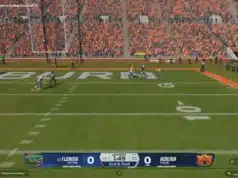
Run defense decides more games this year than any exotic blitz on your call sheet, and the fix starts with where you park your user. Take the high safety on the weak side of the formation — the side with fewer receivers — and sit him ten yards off the ball. Offenses run toward their numbers, so that safety has the least happening in front of him and the most grass to cover.
Against a Gun Power I Tight look, flow over the top first, then shoot your gap. Eating a block is a win, because a blocker occupied by you is a blocker off your linebacker. What you want to avoid is getting swallowed in the pile through the middle, where you help nobody.
Six yards with a user on the field beats sixty without one. As you learn a player’s favorite runs your path sharpens — on a Draw you can come downhill early, absorb the guard, and let your backer clean it up. Real defenses coach that same weak-side flow every week at ESPN.
Building a Scheme That Survives Contact
Now here is what caught my attention about how the best dynasty players build an offense. They pick one playbook, lab it with a five-play cooldown and a five-play call limit on Heisman, then take a low-rated team on the road against a blue blood. If it still moves the ball under those handcuffs, it holds up against a live opponent.
The Fresno State book is the example here, and the rule that makes it work is strict: every play in the scheme needs one hot route or fewer. Anything that takes four adjustments dies the second you get pressured or the play clock drops under ten.
Cut your call sheet down to plays you can run clean at speed, then live inside them until a defense proves it can stop them. That same filter runs through our Madden strategies work, because the logic carries straight over between the two games.
High Ball Throwing

Let me show you something here that changes tight-window throwing. Any time a defender sits underneath your receiver on a Post or a Seam, a chest-level pass is a free interception — you are throwing into his catch radius. Hold LB on Xbox or L1 on PlayStation as you release and the ball climbs over him into a spot only your guy can reach.
I pair it with a bullet, meaning I hold the receiver’s icon down instead of tapping it, so the ball beats the safety rotation. Your tight end visibly leaves the ground to go get it, and that jump is the entire point of the high ball passing technique.
The trade-off is real. High balls fly less accurate than a standard throw, and a receiver with both feet in the air drops it if he takes a clean hit. Possession catch when a safety is closing over the top, RAC catch when you have grass ahead. The middle of the field is the softest zone area in the game, and this is how you attack it without gift-wrapping picks.
College Football 27 Winning Strategies and Tips for Coverage Shading
What if you could change how every zone defender plays without touching a hot route? Hold the left trigger and flick the right stick down: underneath defenders jump to Ultra Aggressive and deep zones move up to Aggressive. Flick up and the picture flips — underneath drops to Ultra Conservative, deep zones to Conservative.
Shading underneath is my default when I need a stop. A Hook Curl defender on Ultra Aggressive chases a Flat route to the sideline and sits in position to take it away entirely. The cost is that Post routes open behind him, so you trade short completions for the occasional shot play.
Shade over the top and the opposite happens. That same Hook Curl defender sinks so deep the Post has nowhere to land, while every Flat route on the field comes wide open. One warning: zone drops override this completely, so a hook set to thirty yards drops thirty yards no matter what shade you called.
Leave your zone coverage strategy on default for most of a game. Save the aggressive shade for third and short and the red zone, where the underneath throw is the only thing your opponent wants.
The 4-2-5 Man Pressure Blueprint
One defensive book covers more ground than anything else this year: the 4-2-5 Man Pressure. The formation spread is the whole argument — packed fronts, hybrid three-high looks, a standard nickel, and two dime sets under one call sheet.
The 4-3 Even 6-1 is the anchor. It lines up aggressive, pressures with four rushers, and doubles as a run-stopping front, which is why so much base run defense comes out of it every year. The 4-2-5 3 High is brand new and the alignment looks like nothing else in the game, holding Hot Blitz 3, Double Cloud, Double Sky, and Cover 4 Quarters.
Nickel 3-3 Cub hands you Single Mug and the wide look, and a wide nine front always buys a better edge rush. Nickel Over is your plain base nickel, while Dime Normal and Dime 3-2 cover obvious passing downs. Our playbook breakdowns go through the books formation by formation.
College Football 27 Winning Strategies and Tips for Stopping RPOs
This is the part most people miss about RPO defense. Zone lets you reassign a defender mid-call, so start there instead of locking everybody into man. Then put a body over the top of the RPO receiver — the bubble, the screen, or the slant man — by tapping A on the defender you want, then tapping that receiver’s icon.
Positioning decides whether the assignment holds. A defender already sitting over the top plays the throw clean, while a safety pulled down from depth arrives a half-second late every rep. That half-second is how you give up six on a concept you thought you had covered.
Here is the rule nobody explains. The read key defender can never play the RPO, and you cannot see the read key from the defensive side of the ball. He is almost always the first defender outside the tackle, or outside the tight end on the halfback’s side. Assign literally anyone else and the concept dies at the line.
Blocking Adjustments

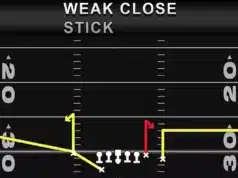
Hold the left trigger before the snap and the game shows exactly which defenders your blockers plan to hit. Run that check on a tight end flat RPO and you will find a slot corner in a Hard Flat with nobody assigned to him — the same corner who blows the play up two seconds later.
Flick up on the right stick to open the untarget menu, then use the left stick to pull a blocker off a defender who does not matter to you. Untarget the high safety playing twenty yards off the ball and that blocker slides down to the corner instead.
The corner might still shed and make the tackle. That is football. The difference is that he is fighting through a body instead of running free, and across four quarters that gap turns two-yard gains into chunk plays. Every RPO and screen responds to this same adjustment.
The Halfback Swing Screen Gotcha
Open your play type menu, choose Pass, then Screen Pass, and find the motion halfback swing. As long as your blocks land, it is quietly one of the better free-yardage calls in College Football 27.
The same trick from the last section applies. If a safety sits to that side, flick up on the right stick and untarget him so your blockers commit to the defenders who threaten the play. Eight yards against a top-ten defense with a back who makes one man miss is as easy as offense gets.
Slip screens and angle screens burn out — call them three times and your opponent sits on them. The halfback swing does not carry that same tax, which makes it a once-a-game gotcha you hold until a drive needs saving.
Stunt Calls That Stop the Run
Pay close attention to this one, because stunts changed jobs this year. They still get after the quarterback, but the bigger use now is shutting down inside runs. On the field, flick left on the right stick and hit the right bumper to open the stunt menu, or set it from the play call screen.
Texas 4-Man is my inside-run answer. Both edges loop inside while the interior two fire out first, and the rush arrows tell you which is which — red fires out, orange loops behind. Those loopers crash the interior gaps and clog the hole before the back reaches it.
El Paso 4-Man flips the loops outside for perimeter runs, and alignment matters more here than people realize. A tackle pinched all the way inside has no chance to loop out in time, so leave him around a three technique and let him work. These are the same line stunt concepts real defensive coordinators call on Saturdays.
One more from the same tape: flick down on the right stick to cut stick a ball carrier. Two cut-stick tackles drain a back’s wear and tear bars fast, and a worn player loses real speed. Do it to a scrambling quarterback and you take five to nine speed plus throw power off him for the rest of the game.
Play Selection: The Winning Strategies Most College Football 27 Players Skip
Every play you call is a play you did not call. That single idea is the whole argument for cutting low-percentage concepts out of your book instead of hoping they finally hit on third and long.
Halfback Toss with no pulling guards is the easiest example — nobody leads the back, so he is on an island the moment he turns the corner. Halfback Zone Toss lands in the same bucket, and Pitch Wide Receiver Reverse gets a yard on a good rep and a loss on a normal one.
Fullback Fake Halfback Flip has been in these games for a decade and it leaves defenders unblocked by design. It works sometimes. Sometimes is not a plan. Halfback Counter in any flavor gets flagged immediately because the handoff is slow enough that a defensive end is already in the backfield when the exchange happens.
Tight end screens and low play action fail for the same reason — the ball comes out too late to punish anything. Go through your book, mark every play that only works when the defense errs, and delete it. More of this thinking lives across our Madden tips and guides.
Playbooks Used in This Breakdown
Two books carry everything above, one per side of the ball, and both are open to any team you take into dynasty or head-to-head play in College Football 27.
- ►Fresno State (Offense): Scheme-friendly concepts that need one hot route or fewer, plus the motion halfback swing screens from the gotcha section.
- ►4-2-5 Man Pressure (Defense): 4-3 Even 6-1, 4-2-5 3 High, Nickel 3-3 Cub, Nickel Over, Dime Normal, and Dime 3-2 under one call sheet.
Five Tips to Put These Winning Strategies to Work Tonight
- ►Pick your safety before the snap. User the weak-side high safety in Cover 4 at ten yards, flow over the top, then attack the gap.
- ►Make the high ball automatic. Hold LB or L1 with the receiver icon pressed down any time a defender is underneath your target.
- ►Shade underneath on money downs. Third and short and red zone snaps are where Ultra Aggressive underneath zones take away the throw they want.
- ►Check blocking on every screen and RPO. Hold left trigger, untarget the deep safety, and get a hat on the flat defender running free.
- ►Cut stick in open field. Flick down on the right stick in one-on-one tackles to stack wear and tear on their best skill player early.
Player Skills That Make These College Football 27 Tips Work
Personnel changes how much of this you can run. Check your roster against the ratings that matter most, the same way you would compare team ratings before picking a dynasty program.
- ►Free Safety: Play Recognition, Speed, and Pursuit decide whether your flow path beats the back to the second level.
- ►Quarterback: Throw Power plus Medium and Deep Accuracy keep high balls from sailing on Seam and Post throws.
- ►Tight End and Slot Receiver: Jumping and Spectacular Catch are what turn a contested high ball into a completion.
- ►Defensive End: Finesse Move and Acceleration let a Texas 4-Man looper clear traffic and reach the interior gap in time.
- ►Halfback: Elusiveness and Juke Move make the swing screen live, while Toughness decides how fast wear and tear drags him down.
Frequently Asked Questions
What are the best College Football 27 winning strategies and tips for stopping the run?
User the weak-side high safety out of Cover 4 at ten yards deep and flow over the top before shooting a gap. Pair it with Texas 4-Man stunts to clog interior gaps on inside zone and power runs.
How do you throw a high ball in College Football 27?
Hold LB on Xbox or L1 on PlayStation while you throw, holding the receiver’s icon for a bullet. The pass lifts above any underneath defender, at the cost of accuracy and a higher drop risk on contact.
What does coverage shading actually change?
Flicking the right stick down with left trigger held sets underneath defenders to Ultra Aggressive and deep zones to Aggressive. Flicking up reverses it. Manual zone drops override the shade entirely.
Which defensive playbook should I be running?
The 4-2-5 Man Pressure has the widest formation spread in the game: 4-3 Even 6-1, the new 4-2-5 3 High hybrid, Nickel 3-3 Cub, Nickel Over, Dime Normal, and Dime 3-2.
How does wear and tear work this year?
Cut stick tackles, made by flicking down on the right stick, drain wear and tear bars far faster than a normal tackle. A worn player loses noticeable speed, and quarterbacks lose throw power and accuracy for the rest of the game.
Final Thoughts
The secret in all ten is that none of them are exploits. Weak-side safety flow, high balls into tight windows, line stunts against inside runs, cutting low-percentage calls — that is a real coaching install dressed up in controller inputs. I coached youth football before I wrote a strategy guide, put out around forty EA Sports Official Madden Strategy Guides after that, and across twenty-five years the through-line has not changed: teach the football underneath the game and the wins follow. That is what MaddenGuides.com has done since 2001.
Take these in order. Start with the safety user and the stunt calls, because defense is where most losses happen. Layer in the high ball and the pre-snap blocking checks once those habits stick. Lab each one in College Football 27 practice mode until the inputs stop taking thought.
Run this blueprint for a week, then come back and tell us which of the ten moved your record the most.