College Football 26 Strategy Guide: Apply Zone Drops for Long Down Situations Breakdown
The Miami Hurricanes are locking down long-yardage plays, and you can too!
Introduction:
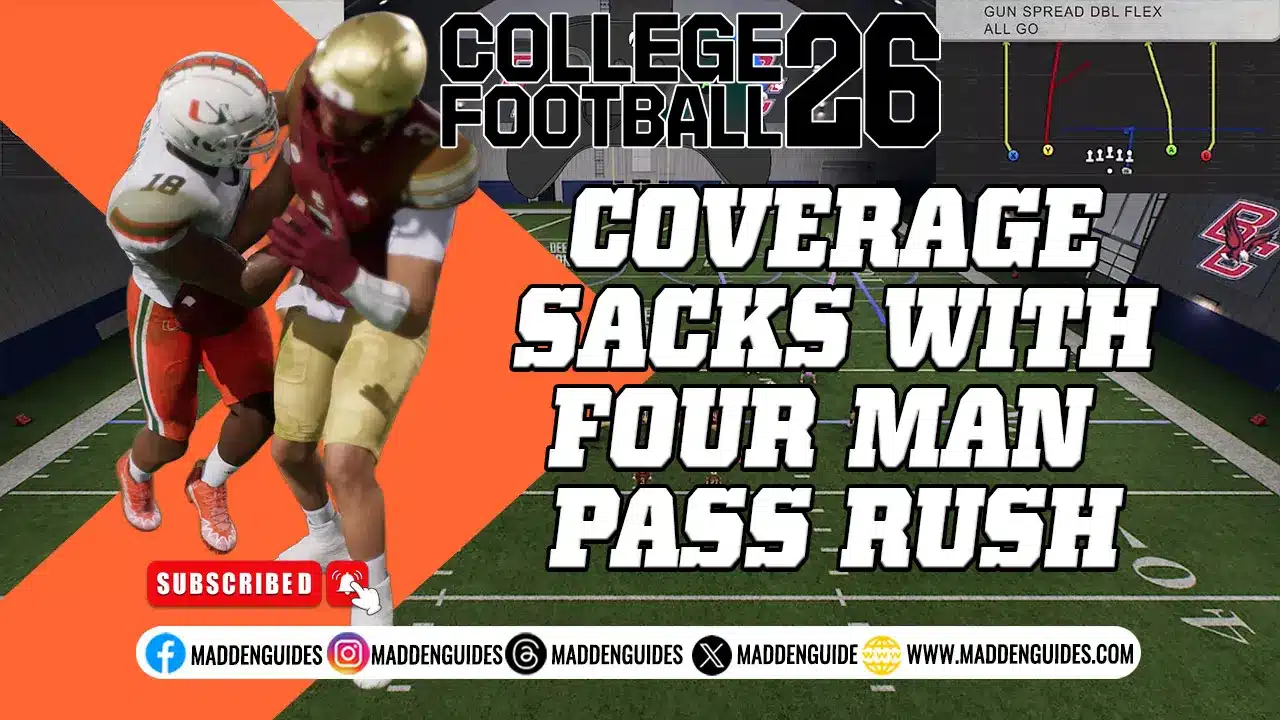
In College Football 26, mastering defensive adjustments is paramount. Today, we dissect a game-changing strategy: Apply Zone Drops for Long Down Situations. This isn’t just about playing defense; it’s about dictating terms. When opponents face long third or fourth downs, they often look to exploit deep zones. This tip focuses on fine-tuning your zone defenders, like the safeties alignment, to eliminate those key conversions. It’s a precise adjustment, designed to shut down big plays and force punts.
Tip Details:
Long-yardage situations, like a critical 3rd & 20, demand a different defensive approach. Many coaches lean on “Protect the Sticks,” yet this often leads to sluggish zone drops across all underneath zones. That’s a recipe for disaster. Instead, Apply Zone Drops for Long Down Situations gives you surgical control. You can specifically adjust individual zone depths, ensuring your defenders are exactly where they need to be.
Accessing zone drops is simple: navigate to coaching adjustments by pressing the right stick in on the play call screen. For curl flats, setting the depth to 20 or 25 yards is a game-changer. This ensures your defenders drop deep enough. They will take away routes like stemmed corner routes that exploit traditional zone depths. Using Apply Zone Drops for Long Down Situations precisely prevents game-changing conversions in College Football 26. This adjustment forces quarterbacks to hold the ball longer, increasing sack opportunities.
Key Strengths:
- Deep Coverage: Defenders drop to specified depths, eliminating deep routes. This takes away the opponent’s primary long-yardage attack.
- Precision Control: Adjust individual zone depths, not just blanket “Protect the Sticks” logic. This allows for tailored defensive schemes.
- Route Exploitation Prevention: Stops stemmed corner routes and deep out routes that exploit standard zone weaknesses. Opponents struggle to find open receivers.
- Increased Pressure: With deep routes covered, the QB holds the ball, giving your pass rush more time. This leads to more sacks and hurried throws.
- Forced Checkdowns: Opponents are forced to throw short, well in front of the sticks. This keeps them from converting on long downs.
Key Weaknesses:
- Underneath Vulnerability: Shorter routes directly underneath the zone drops can be open if not accounted for. Quick passes can gain small yardage.
- Run Game Exploitation: If the opponent runs on a long down, the deep zone drops are irrelevant. This can lead to unexpected gains.
- User Error: Incorrect depth adjustments can leave massive holes in coverage. Precision is key, and mistakes are costly.
- Limited Blitz Potential: Committing defenders to deep zones might limit aggressive blitz packages. This can reduce immediate pressure.
- Play Action Risk: A well-timed play action can draw defenders up, opening deep shots behind them. Defenders must stay disciplined.
Situational Usage:
- 3rd & Long (15+ yards): Ideal for preventing conversions and forcing punts. This is the prime opportunity for Apply Zone Drops for Long Down Situations.
- 4th & Long (Game on the line): When you absolutely need a stop, this adjustment locks down deep threats. It’s a high-stakes, high-reward strategy.
- Opponent Known for Deep Shots: Against offenses that frequently throw deep on long downs, this is a counter. It neutralizes their primary weapon.
- Red Zone Defense (Goal Line Stand): In the red zone, deep zone drops can prevent quick scores over the top. It shrinks the field effectively.
- Prevent Defense (End of Game): When protecting a lead, this helps prevent Hail Marys and deep comeback routes. It secures the victory.
Adjustments and Hot Routes:
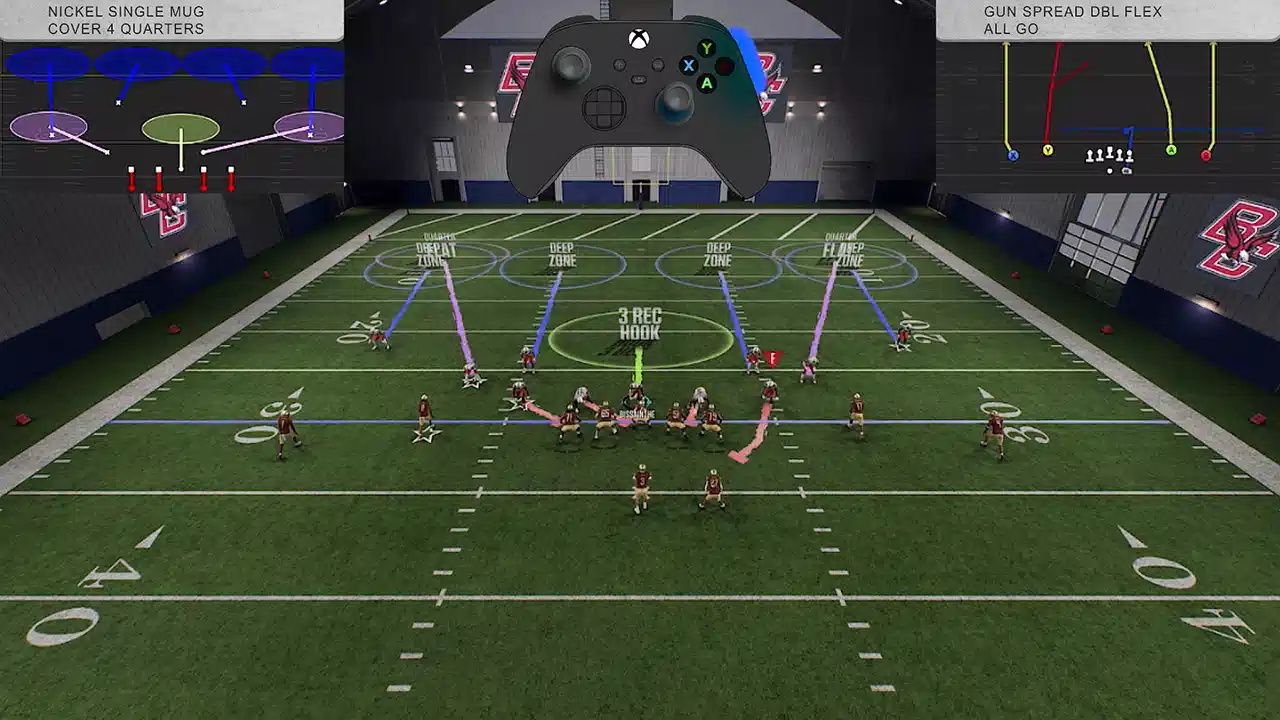
- User Middle Linebacker: Control a middle LB to cover any short routes underneath the deep zones. This fills the void.
- Deep Half Safety: If you have a fast safety, put them in a deep half to help over the top. This adds another layer of protection.
- Flat Zone Depth: Adjust flat zones to 5-10 yards to cover quick outs and screens. This prevents easy short gains.
- Defensive Line Stunt: Run a defensive line stunt to generate interior pressure. This complements the deep coverage.
- Spy QB: If the opposing is mobile, put a defensive lineman or LB in a spy. This contains scramble attempts.
Five Tips for Success:
- Practice Zone Drop Depths: Spend time in practice mode to find the optimal depths for different zones. This builds muscle memory for Apply Zone Drops for Long Down Situations.
- Identify Opponent Tendencies: Watch for patterns in your opponent’s long-down play calls. This helps anticipate their deep threats.
- Communicate with Teammates: In a multi-user game, ensure everyone understands the zone drop assignments. This prevents miscommunication.
- Mix Up Your Looks: Don’t use this strategy every time; mix it with other coverages to keep the offense guessing. This prevents predictability.
- Adjust Based on Field Position: The optimal zone drop depths might change depending on where the ball is on the field. This requires constant vigilance.
Recommended Player Skills:
- CB (Cornerback) – Coverage & Speed: Needs high Zone Coverage and Speed to drop deep effectively and cover ground.
- S (Safety) – Play Recognition & Zone Coverage: Must read the ‘s eyes and have excellent Zone Coverage to patrol the deep middle.
- LB (Linebacker) – Awareness & Pursuit: Needs high Awareness to react to short throws and Pursuit to tackle after catches.
- DL (Defensive Line) – Pass Rush & Block Shedding: Crucial for generating pressure to complement the deep coverage.
- CB (Cornerback) – Press & Man Coverage (as a complement): While a zone play, having a who can occasionally play press man on a key receiver adds versatility.
Five Frequently Asked Questions:
Video Breakdown:
Final Thoughts:
Mastering zone drops is a defensive coordinator’s dream in College Football 26. This adjustment gives you the precision to shut down long-yardage conversions, turning potential first downs into punts. It’s about smart football, understanding opponent tendencies, and executing with discipline. By implementing Apply Zone Drops for Long Down Situations, you’ll see your defense transform, becoming a true force on the field.
Ready to dominate the gridiron? Get your copy of College Football 26 today and put these strategies to the test!